


Snoring happens when the throat relaxes during sleep, leading to irregular airflow and vibration of the airways. There are several factors that can lead to snoring, including the anatomy of the mouth and throat, alcohol consumption, congestion from a head cold or allergies, or being overweight. Sleep apnoea is when breathing is interrupted many times per night and is a potentially life threatening condition in the long term. Not everybody who snores has sleep apnoea. But if a person snores, is persistently tired during the day and has a tendency to wake up feeling unrefreshed in the morning, sleep apnoea may be present.
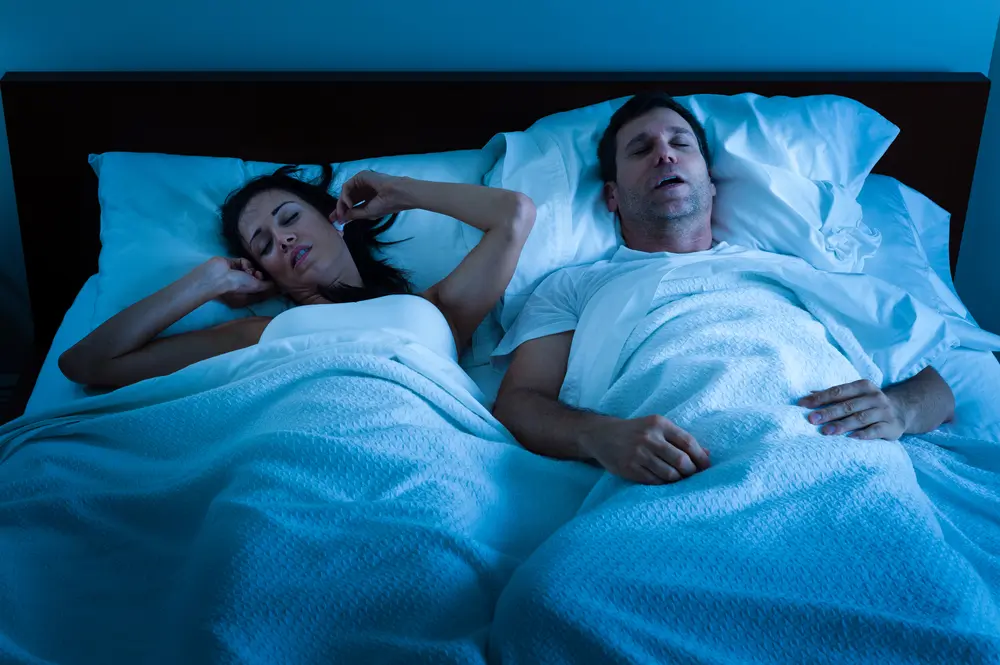
Most snorers are unaware they could have sleep apnoea, and may only discover they have a problem when they are told by a partner or house mate. It’s also common for sufferers to deny the issue, or make light of it- but sleep apnoea is a potentially serious condition and should not be ignored.
Snoring or Sleep Apnoea?
Sleep apnoea sufferers often find it difficult to concentrate, which can affect their performance at work and can lead to an increased risk of accidents. Irritable mood may occur due to ongoing sleep deprivation. Research also shows that it may increase the risk of diabetes, stroke and heart disease. So, awareness of this condition is very important. And whilst recording a partner during sleep, or using a sleep app on a smartphone can help show if sleep apnoea is present, properly conducted sleep studies are by far the most effective method of diagnosis.
Researchers have developed simple screening tools which can help decide whether sleep studies are worth considering. The STOP-BANG questionnaire comprises 8 questions and will indicate if a sleep study is appropriate based on your symptoms and risk factors.
Sinus Infection: Symptoms, How Long It Lasts, and When You Need a Doctor
Sinusitis, often called a sinus infection, is one of the most common reasons Australians start to feel wretched for a week or two after a cold. The good news is [...]

Can You Get a Free Medical Certificate in Australia?
An honest answer from a GP: mostly no, but there are some genuinely free routes, and they are worth knowing about. This page explains where free or bulk-billed certificates really exist, why online [...]

Can You Get a Medical Certificate from a Pharmacy or Chemist Warehouse?
Pharmacy Medical Certificates in Australia: Rules, Limits and Costs If you wake up unwell and need proof for work, the local pharmacy can sometimes help. Pharmacists in Australia can [...]

Medically reviewed by Dr Aifric Boylan
MB · BCH · BAO · MICGP · FRACGP · DRCOG · DCH
About Dr Aifric Boylan MB BCh BAO MICGP FRACGP DRCOG DCH Fellow of the Royal Australian College of General Practitioners, Dr Aifric Boylan is a general practitioner with more than 20 years' experience. She graduated in medicine from…
This health information has been clinically reviewed by an Australian doctor. Qoctor health pages are reviewed to support clear, evidence-informed guidance; they do not replace individual medical advice.
Telehealth is not suitable in all medical situations — patients will be advised if an in-person assessment is needed. In an emergency, call 000.